.png)


Bring Nature Home: The Rise of Biophilic Interiors in Urban Homes
In a world where skyscrapers rise higher than trees and glass towers dominate our skylines, the longing for nature has never been stronger. Urban life often distances us from the natural world, yet our bodies and minds are wired to thrive in harmony with it. That’s where biophilic interiors come in—bringing the outdoors indoors, blending modern design with the timeless essence of nature.

Photo by Griffin Quinn on Unsplash
Biophilic design isn’t just a trend; it’s a movement. It’s about creating living spaces that reconnect us with natural elements—sunlight, greenery, textures, water, and organic forms—transforming homes into sanctuaries that nurture both body and soul.
Why Biophilic Design Matters in Urban Homes
Cities are vibrant, but they can also feel suffocating. Stress levels are higher, noise is constant, and personal space is shrinking. Biophilic interiors offer a solution:
Improved Wellbeing: Studies have shown that incorporating natural elements indoors can reduce stress, enhance focus, and even improve sleep.
Sustainability at Heart: Using eco-friendly materials and greenery contributes to healthier living and a lighter environmental footprint.
Aesthetic Value: Natural textures, patterns, and organic forms add depth and timeless beauty to modern homes.

Key Elements of Biophilic Interiors
1. Indoor Greenery
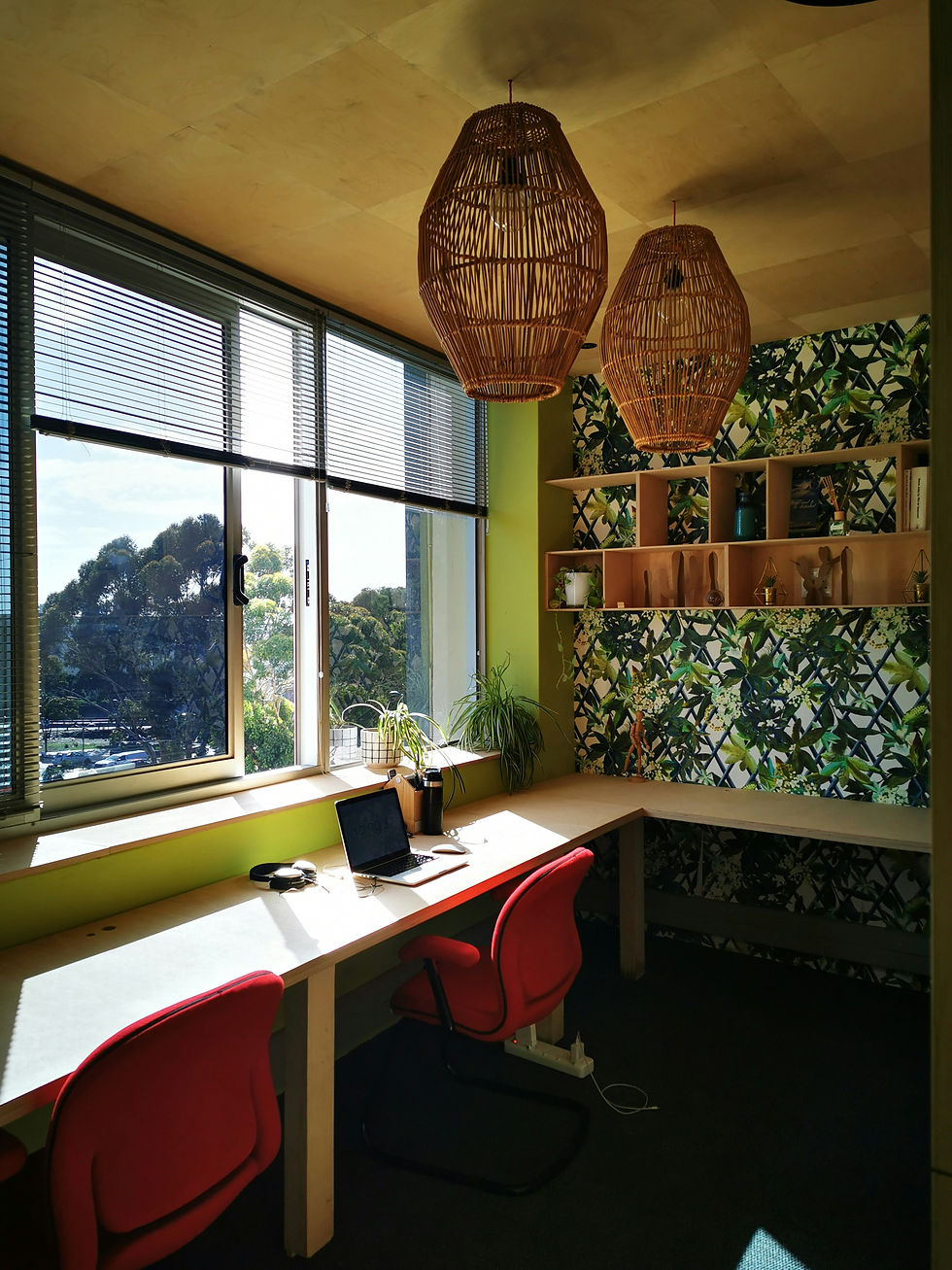
From statement fiddle leaf figs to cascading pothos, houseplants are the heart of biophilic interiors. Vertical gardens and plant walls are now making bold appearances in city apartments.

2. Natural Light
Expansive windows, skylights, and sheer drapery maximize daylight. This not only saves energy but also uplifts mood and enhances productivity.

3. Organic Materials & Textures
Stone, wood, bamboo, jute, rattan, and clay—these tactile materials echo the raw beauty of nature. Their imperfections are what make them perfect.

4. Water & Air Flow
Small indoor water features or strategically placed aquariums add a calming rhythm to interiors. Natural ventilation further keeps homes fresh and lively.

5. Nature-Inspired Patterns & Forms
Wallpapers with botanical motifs, furniture with flowing lines, or ceiling designs mimicking tree branches—biophilic interiors extend beyond just plants.
How Urban Homeowners Can Start Small
Add potted plants on balconies and windowsills.
Use natural fabrics like linen, cotton, or jute for curtains and upholstery.
Incorporate earthy tones, such as greens, browns, and terracottas, in your wall paint.
Replace synthetic décor with handcrafted items in wood or stone.
Let in more natural sunlight—avoid blocking it with heavy drapes.
Image Reference Idea: Before-and-after visuals of a compact urban living room transformed with biophilic touches.
Biophilic interiors are more than an aesthetic choice; they’re a lifestyle upgrade. In today’s fast-paced urban life, they ground us, heal us, and make us feel truly at home. By weaving natural elements into our living spaces, we don’t just design homes—we design experiences that connect us back to what we’ve always belonged to: nature.
🌿 Ready to transform your home into a biophilic retreat?
At Acel Rivers Design Studio (ARDS), we specialize in creating interiors that blend modern design with timeless natural elements. Whether you’re dreaming of a lush indoor oasis or subtle earthy touches, we bring your vision to life.
👉 Explore our services: www.acelrivers.com
👉 Follow our design inspirations:

ARDS offers end-to-end Turnkey Interior Solutions and expert Design Consultations tailored just for you!


Comments